
The Stolovaya Line

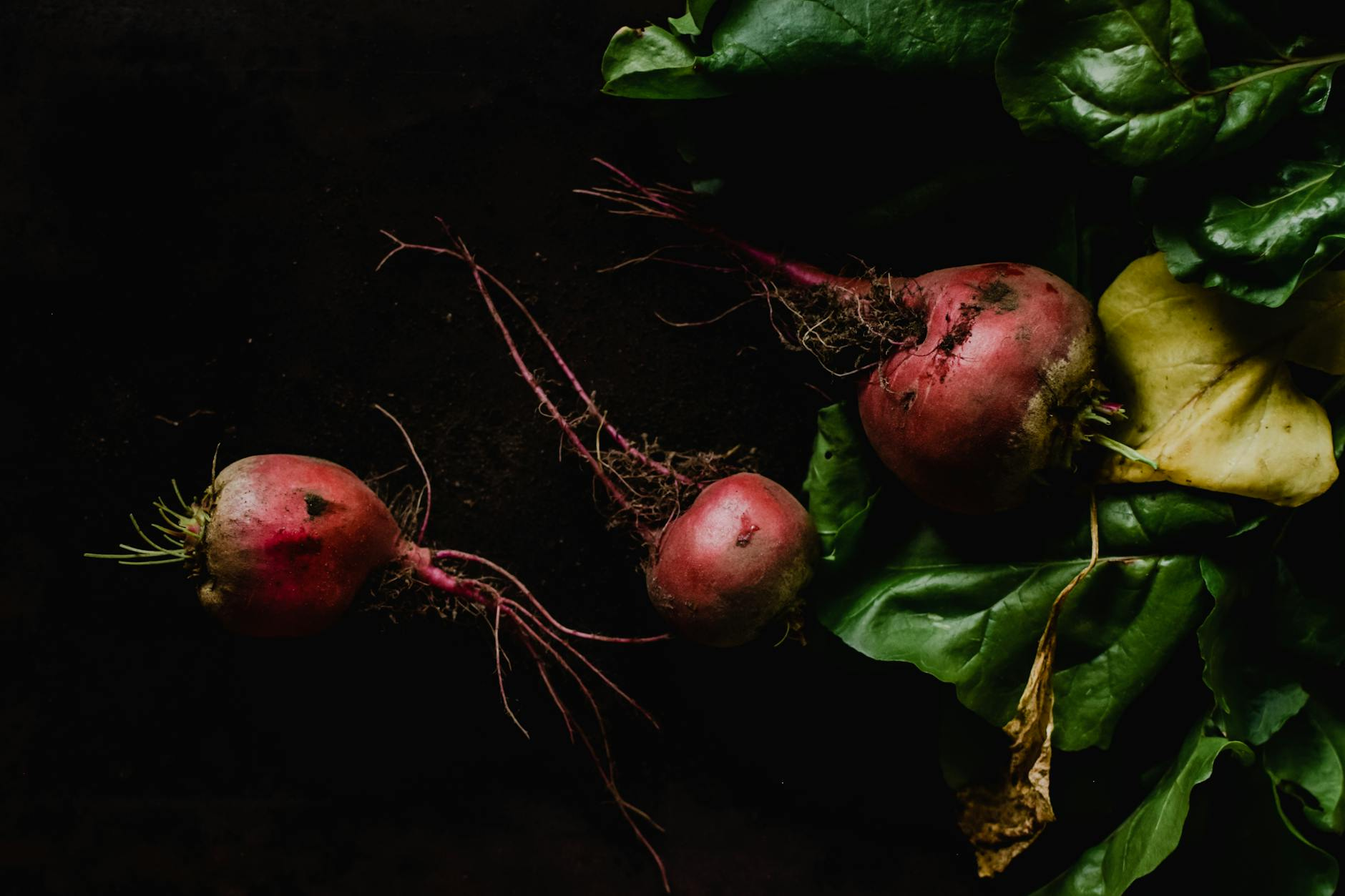
The smell of iron-rich boiled beets and overcooked buckwheat hit me before I stepped into the cafeteria. It clung to the air like the damp coats we hung by the door, dripping snowmelt onto the cracked, painted wood floor.
School lunches in the Soviet Union weren’t just meals. They were mandates, state-sponsored bites of ideology, handed out on dented trays by women with strong arms, red from years of hauling survival into tin bowls. These ladies with faces that flushed like steam wore white kerchiefs on their heads and never smiled.
We lined up in pairs outside the stolovaya, the cafeteria whose name rolled off our tongues like a secret that tasted both familiar and forbidden. The air inside always smelled of overboiled cabbage and mystery meat, yet still, our stomachs rumbled with hunger and hope.
Before we were allowed in, the teacher —always the same stern woman with iron-gray hair and shoes that clicked like punctuation —would bark, “Hands out!” We obeyed by turning our palms up, spreading our fingers like pale, miniature fans. It was a ritual, as sacred and feared as prayer.
She inspected each hand like a border guard. Dirt under the nails? Back to the sink. Ink-stained fingers from morning dictation? Back to the sink. A crumb of dried bread from breakfast? You guessed it. Even the faintest trace of grime signaled disapproval, sometimes a mark in your behavior notebook, and always the quiet shame of being singled out.
I remember the burn of embarrassment when she sniffed at my hands once and wrinkled her nose.
Kerosene, I realized too late. The scent lingered from helping Mama light the stove that morning. We had no gas, no proper burner, just the blue-lipped flame of the portable stove. I scrubbed with cold water until my skin turned pink and raw, but the smell clung stubbornly, like memory.
Inside, the cafeteria was noisy with the clang of metal trays and the murmur of shuffling feet. The first course was always soup. Sometimes it was shchi, a cabbage-based, sour dish; sometimes it was borscht, with a faint hint of meat, as if a ghost had wandered through it.
The main dish, if we were lucky, was kasha or mashed potatoes, their pale hills cratered with a single spoonful of brown gravy. Sometimes there was a kotleta, a so-called Russian hamburger, made more of breadcrumbs than beef. Other times, it was a gray lump that pretended to be a fish. If you asked what kind, the lunch lady raised one eyebrow and said, “Eat.” And we did.
We carried our lunches like treasures, even if the treasure wasn’t always worth much. But the bread with its thick, dark crust and soft inside was always the real prize. We never threw bread away. It was sacred. Mama said. It once saved lives during the war.
Some kids hid their slice in their pocket to save it for later. Others, like me, ate it slowly, pretending we were eating something fancier: a croissant, a blintz, or a pastry.
Every day, there was compote, a watery juice made from dried fruit that floated like drowned memories. They served it in cloudy glasses that had been washed more times than the windows of our school, lukewarm and sweet, in a way that made you ache. I used to save the apple slices for last, chewing them slowly to stretch the moment.
We didn’t complain. Complaining was for the spoiled or the foolish. We were taught to be grateful. And in a strange, bone-deep way, we were. We were together. We were warm. We were fed.
I remember the day my friend Svetlana fainted. As she slid from her bench, the thud of her body was swallowed by the hum of Soviet normalcy. No one screamed. One of the teachers brought her to the nurse’s office. The rest of us kept chewing. Later, we learned she hadn’t eaten in two days. I never forgot the hollow echo her body made against the floor.
Years later, in America, I sat in a school cafeteria with my daughter. She picked at her peanut butter sandwich and made a face. “It’s too dry,” she said. I didn’t scold her. I smiled and handed her an apple. But deep inside, a girl in pigtails and wool stockings whispered, Eat, child. You don’t know what dry tastes like
.
A very vivid description of a moment in time, verbally painted by Etya. I enjoyed the delve into a place I could visit but not live. Sadly, this is a story based on a real-life memory.